
Buying a Second Home in Palm Beach Gardens: A Lifestyle-First Guide
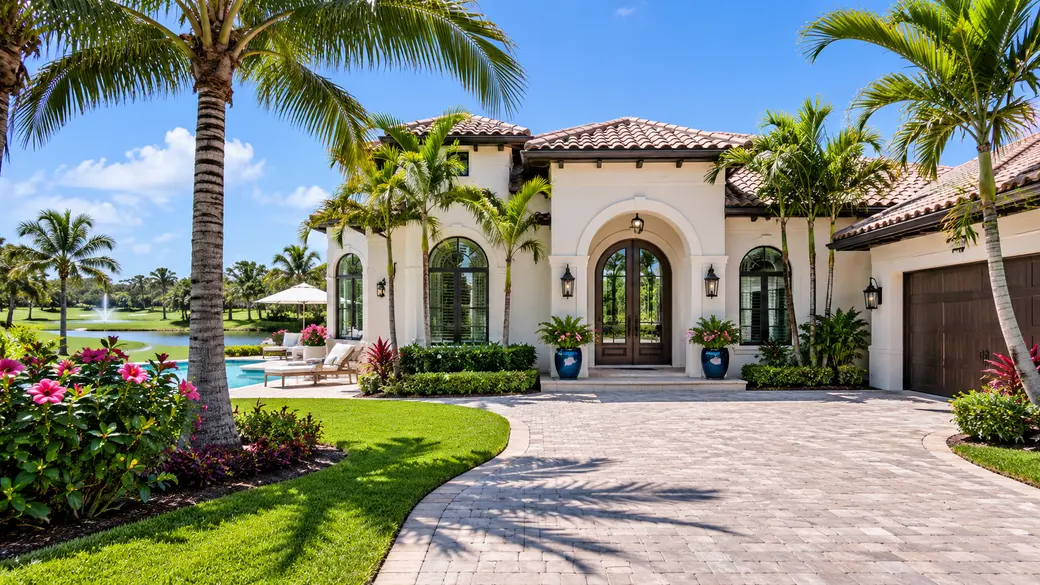
Second home buying in Palm Beach Gardens works best when the property fits your personal routine first, then your budget, ownership responsibilities, and any rental plans. For buyers considering an $800,000-plus purchase, the most practical choice is usually a home that supports the way you expect to spend time in South Florida, rather than one chosen mainly for potential rental income.
Many buyers want a place to escape colder months, gather family, play more golf, spend time on the water, or prepare for a future retirement move. Palm Beach Gardens offers a range of lifestyle-driven options, from lock-and-leave condos to larger homes with outdoor living space and club amenities.
This guide covers lifestyle, financing, locations, property types, ownership, rentals, and costs so you can make a more deliberate second-home decision.
Why Buy a Second Home?
A second home can be a reliable base for seasonal getaways, family time, future retirement, or occasional rental income. The strongest reason to buy is personal use: the home should be one you will truly enjoy, even if rental income or appreciation falls short of optimistic projections.
In Palm Beach Gardens, second-home buyers usually shop for a lifestyle. Some want golf most mornings, tennis in the afternoon, and dinner out without a long drive. Others want a private seasonal base with room for visiting family and the option to become a full-time residence later. That intended use should guide the search from the start.
Before comparing homes, define how many weeks or months you expect to spend there, who will use the property, and whether you prefer a managed community or more direct control over maintenance.
What Seasonal Life in Palm Beach Gardens Looks Like
Palm Beach Gardens has built its identity around golf, and it shows in daily life. Between private club courses and public courses worth a tee time, there is no shortage of places to play. Racquet sports are just as popular, and the area's tennis and pickleball options range from club courts to public facilities.
Off the course, seasonal residents tend to spend time around PGA Boulevard, where shopping, dining, and services sit close together. The Gardens Mall and Downtown at the Gardens make errands and evenings out easy, and the city's luxury shopping is a draw for many winter visitors. Beaches and boating are a short drive east, and private fitness clubs round out the routine for owners who want to stay active while in town.
Thinking through a typical week, from where you will play, eat, work out, and shop, is one of the most useful ways to narrow down neighborhoods.
Second Home vs. Investment Property
A second home is generally intended for the owner's personal use, while an investment property is acquired mainly to produce rental income. That distinction can affect financing terms, reserve requirements, insurance, tax treatment, and how much rental activity a lender will allow.
A home used for personal stays with occasional rentals may be treated differently from one designed for frequent tenant turnover. Be direct with lenders about how often you plan to occupy the home, whether you expect rental revenue, and who will manage the property while you are away.
Property type matters too. A condo with restrictive lease terms may work well as a personal seasonal residence but not support frequent rentals. A detached home offers more flexibility, though it needs more planning for landscaping, pools, storm preparation, and vacant-period oversight.
Financing a Second Home
Financing a second home typically requires showing you can carry both your primary residence and the new property. Down payment expectations, rates, credit standards, documentation, and cash-reserve guidelines vary by lender and borrower profile.
For rate context, Freddie Mac's Primary Mortgage Market Survey put the 30-year fixed average at 7.40% for the week of October 15, 2026. That benchmark reflects conventional purchase loans for well-qualified borrowers with 20% down, so second-home pricing from your lender may differ. On an illustrative $800,000 purchase with 20% down ($160,000), principal and interest at 7.40% would be about $4,431 per month before taxes, insurance, and dues.
Start by describing the purchase accurately to lenders: personal, seasonal, occasionally rented, or held mainly for income. The Consumer Financial Protection Bureau's mortgage resources explain core loan terms and the documentation commonly involved.
For luxury second-home buyers, liquidity can matter as much as income. Beyond the down payment, plan for closing costs, furnishings, insurance, association charges, reserves, and early maintenance. Buyers with business ownership, investment income, or variable compensation should start lender conversations early, since underwriting can take longer.
Choosing the Right Location
The right Palm Beach Gardens location is the one that makes your preferred routine easy. Prioritize the places and activities that will shape a typical visit: golf, water access, dining, a gated setting, proximity to family, or a quieter residential feel.
Travel logistics deserve attention when the home will sit empty part of the year. Consider the drive from the airport, access to groceries and medical care, the route to your favorite beach, and how easy it is to arrive late or leave early. A home that tours beautifully can feel less practical if every trip involves a difficult routine.
Community fit matters as much as the home. Private club communities such as Mirasol and Frenchman's Creek offer a full-service, amenity-rich setting that many seasonal owners love, while other buyers prefer fewer shared rules and more control. Review association documents, guest policies, pet rules, lease restrictions, membership obligations, and exterior-maintenance responsibilities before treating any community as a match.
Property Types and Options
| Property type | Suitable second-home use | Main maintenance responsibility | Rental and association review focus |
|---|---|---|---|
| Single-family home | Longer seasonal stays, family gatherings, future full-time use | Owner coordinates exterior care, landscaping, pool service, systems, and storm preparation | Lease limits, property management needs, insurance, and community rules |
| Condominium | Lock-and-leave ownership and shorter visits | Association may manage exterior and common areas | Rental frequency, minimum lease terms, building rules, reserves, assessments, and insurance responsibilities |
| Townhome | More space with some shared maintenance | Responsibilities vary between owner and association | Association coverage, exterior obligations, guest rules, and leasing policies |
| Golf-oriented or waterfront residence | Lifestyle-focused use centered on recreation, views, or water | May include specialized exterior, dock, pool, or landscape needs | Membership obligations, waterfront maintenance, insurance exposure, and rental restrictions |
Single-family homes can offer private pools, garages, outdoor kitchens, and room for visiting family. They suit buyers who expect longer stays or see the home as a future primary residence, with the tradeoff of more hands-on care.
Condominiums suit owners who want a lower-maintenance model. Review budgets, reserves, assessments, rental rules, and how insurance responsibilities are split between owner and association.
Waterfront homes need extra attention to dock condition, seawalls, flood and wind coverage, and salt-air exposure. Golf communities can have separate membership structures and amenity costs that should be clear before an offer.
Prices and Market Trends in Palm Beach Gardens
Home value indexes placed the typical Palm Beach Gardens home value near $700,000 as of August 2026, up about 3% from a year earlier. Median closing prices in mid-2026 ran roughly $745,000 to $810,000 depending on the data set, with the middle half of recent sales falling between about $430,000 and $1.33 million. Private club communities sit well above those figures. In Mirasol, for example, the median closing over the 12 months through mid-July 2026 was about $1.84 million.
In the $800,000-plus segment, homes with similar square footage can have very different values based on setting, outdoor space, association structure, and how easy they are to own seasonally. Well-maintained homes that offer a simple seasonal lifestyle and need little near-term work tend to draw the most interest. Homes needing major updates, carrying complex obligations, or facing restrictive leasing rules may attract a narrower group of buyers.
Compare active listings and recent sales within the same property category rather than relying on one area-wide figure. Insurance, construction features, roof condition, impact protection, drainage, and storm readiness belong in the comparison, since homes that are easy to secure and monitor while vacant offer real value for seasonal owners. Exploring Palm Beach Gardens neighborhoods by lifestyle priority is a good place to start.
Owning, Managing, and Renting
Owning a second home from a distance is manageable with a clear plan for routine care, unexpected repairs, and vacant periods. Decide who will check the property, receive deliveries, coordinate repairs, and respond if something needs attention while you are away.
A local property manager can help owners who spend long stretches outside Florida or plan to rent. Services range from periodic walkthroughs and vendor coordination to full rental administration.
Review rental plans before purchase, not after closing. Association rules may cover lease frequency, minimum lease terms, tenant screening, guest access, and short-term stays. Financing and insurance can also affect what is allowed. If rental income is part of the plan, use conservative assumptions and make sure the budget works without it.
For seasonal homes, an ownership calendar covering HVAC servicing, pest control, pool care, landscaping, cleaning, storm preparation, utility monitoring, and walkthroughs helps protect the property between visits.
Taxes and Ongoing Expenses
The full cost of a second home includes much more than the purchase price and mortgage. Build a complete annual estimate before settling on a price range.
Common expenses include property taxes, homeowners insurance, wind and flood coverage where applicable, association dues, club costs, utilities, maintenance, landscaping, pool service, security monitoring, furnishings, repairs, and property management. One Florida-specific point: the homestead exemption and its cap on annual assessment increases apply only to a primary residence, so a second home's tax bill may differ from what the current owner pays.
Tax treatment also depends on personal use, rental activity, and ownership structure. The Internal Revenue Service's guidance on rental property outlines considerations for homes used both personally and as rentals, and a qualified tax professional can explain how your plans affect deductions and reporting.
Budget conservatively for the first year, since new owners often address deferred maintenance, furnishings, monitoring systems, or equipment replacement.
The Buying Process Step by Step
- Define personal use and rental plans. Decide whether the home will be a winter retreat, family gathering place, future retirement residence, or property with occasional rental potential.
- Build an all-in budget. Include price, financing, insurance, association and club charges, maintenance, furnishings, management, and a reserve.
- Get lender guidance. A clear financing range helps you compare homes efficiently and confirms which loan category fits your occupancy.
- Compare homes and community documents. Look beyond finishes and views to maintenance responsibilities, association finances, rental flexibility, insurance, and arrival-and-departure logistics.
- Complete due diligence and close. Confirm that the property, costs, community rules, and financing all align with the home's role in your life.
- Set up a vacant-period system. Arrange insurance contacts, monitoring, recurring maintenance, utilities, and trusted local vendors.
Exploring Second Homes in Palm Beach Gardens
The right second home supports your lifestyle without depending on optimistic rental assumptions or underestimated costs. Chris Morrissey, a licensed Realtor® with Live Jupiter (powered by Serhant) and a background in financial advising, helps seasonal and part-time buyers compare communities, ownership costs, rental rules, and long-term plans for the property.
What you can expect when you reach out:
- A custom search built around how you plan to use your second home
- Local insight on communities, club structures, rental rules, and HOA limits
- Referrals to lenders, inspectors, and property managers
Call or text (561) 420-9767, email chris.morrissey@serhant.com, or connect through the contact page.
FAQ
How much do I need to put down on a second home?
Down payments vary by lender, loan program, borrower profile, property type, and intended occupancy. On an $800,000 purchase, 20% down is $160,000. Keep additional funds for closing costs, reserves, insurance, association charges, and initial ownership expenses.
Can I rent out my second home?
Possibly, but lender terms, association documents, insurance coverage, and local requirements determine what is allowed. Review those limits before purchase, especially if rental income affects your budget.
Is a second home a good investment?
It can support long-term financial goals, but it should work first as a lifestyle purchase within your budget. Appreciation and rental income can change, while maintenance, insurance, and carrying costs continue regardless of the market.
Do second homes get Florida's homestead exemption?
No. The homestead exemption and its assessment cap apply only to a qualifying primary residence, so model a second home's property taxes without them.
Can I use a VA or FHA loan for a second home?
VA and FHA financing generally serves borrowers buying a primary residence rather than a vacation or second home. The U.S. Department of Veterans Affairs and HUD describe the occupancy purpose of these programs.
Categories
Recent Posts

THINKING ABOUT MAKING JUPITER HOME?