
What to Look For When Buying a House in Abacoa
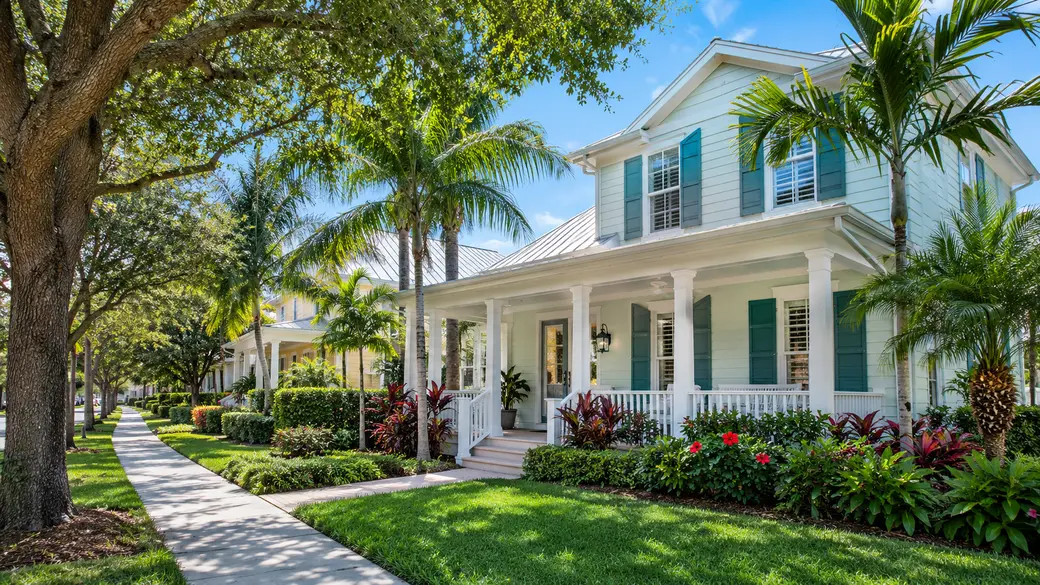
What to look for when buying a house in Abacoa comes down to the specific neighborhood, the home's condition, association obligations, flood exposure, and the full cost of ownership. For luxury, second-home, and seasonal buyers, the strongest choice is usually the home that fits everyday life and long-term ownership, not simply the one with the most impressive staging.
Location and Neighborhood
The right Abacoa location supports your daily routine, preferred level of activity, and access needs. The Town of Jupiter describes Abacoa as a 2,055-acre mixed-use community built on traditional neighborhood development principles, so a home's relationship to parks, Downtown Abacoa, community spaces, major roads, and nearby activity can vary a lot from one section to the next.
Think about how you want an ordinary week to feel. Some owners want to walk to dinner, grab coffee on a Saturday morning, and catch a spring training game without moving the car. Others prefer a quieter interior street where the town center is a short drive away. Both are classic Abacoa experiences, just on different blocks.
Walk the immediate area around each home rather than judging it from the driveway. Consider the route to groceries, dining, recreation, schools, medical services, and I-95. A home near active destinations suits owners who value walkability and an easy lock-and-leave routine, while an interior street may offer more calm.
Abacoa Community Park, Roger Dean Chevrolet Stadium, and the Downtown Abacoa amphitheater all bring energy to their surroundings. Park activity, festivals, stadium traffic, and shared parking patterns affect different streets differently. During spring training and the minor league season, which runs from April through September, the area near the stadium sees more visitors. Families may also want to factor in what Jupiter offers for kids and schools when weighing locations.
Visit more than once if you can. A weekday morning, late afternoon, and weekend visit can reveal differences in traffic, street parking, deliveries, noise, and pedestrian activity. Pay attention to views from the main living areas, bedrooms, outdoor spaces, and driveway.
Ask about nearby vacant parcels, construction, road work, and community plans that could affect privacy, access, or noise. In a planned community, small differences in proximity to amenities or through-traffic can shape the ownership experience over time.
Home Condition
A well-maintained Abacoa home should show consistent care across its roof, exterior, mechanical systems, windows, plumbing fixtures, and interior finishes. Visible updates matter, but service history and the condition of major components often matter more than a newly redesigned kitchen.
Start outside by looking for roof wear, cracked stucco, deteriorated caulking, staining below rooflines, loose screens, uneven pavement, and water collecting near the structure. Inside, watch for ceiling discoloration, persistent odors, sticking doors, irregular flooring, window condensation, or moisture around sinks and toilets.
Ask the seller for records related to major replacements and repairs:
| File or record | What it can confirm | Buyer follow-up question |
|---|---|---|
| Roof permits, invoices, and warranties | Installation timing, repair history, and transferable coverage | What work was completed, and are there records for later repairs? |
| Air-conditioning service records | Maintenance frequency and major component replacements | Has the system been serviced regularly, and when were key parts replaced? |
| Window and door documentation | Product type, installation details, and warranty information | Are openings impact-rated, and are permits or warranties available? |
| Pool-equipment records | Service history for pumps, heaters, filters, and controls | Which components have been replaced, and what routine service is required? |
| Renovation permits and invoices | Scope of completed work | Did the project include plumbing, electrical, or other work beyond finishes? |
A recent renovation can be appealing, but confirm whether the work addressed systems behind the walls as well as visible finishes. Clear records also support future resale.
For a second home or seasonal residence, ask how often the property was checked while vacant, whether the air conditioning ran year-round, and how landscaping, irrigation, pool care, and pest control were handled. Consistent care reduces surprises after closing and makes part-time ownership easier.
Layout and Space
The best layout supports how you will live in the home, not just how it photographs. Consider bedroom placement, gathering areas, storage, outdoor access, work space, and how guests will move through the house.
Walk each room with your routines in mind. A large great room works well for entertaining, while a split-bedroom plan gives visiting family or seasonal guests more privacy. Look at closet capacity, pantry space, garage storage, laundry access, and practical spots for golf clubs, bicycles, luggage, and beach gear. With Abacoa's bike-friendly streets and an 18-hole course right in the community, those details come up more often than you might expect.
Pay attention to flow. A home can have generous square footage and still feel inconvenient if the kitchen is isolated, bedrooms open directly onto common areas, or outdoor spaces are hard to reach. Check that the primary suite feels private and guest rooms support the home's intended use.
For seasonal owners, manageable space can be worth more than extra rooms that add cleaning, cooling, furnishing, and maintenance. Flexible rooms, good storage, and accessible utility areas tend to hold more long-term value than decorative square footage.
Lot and Exterior
A good lot drains well, provides usable outdoor space, and offers parking that works for owners and guests. In South Florida, exterior details strongly influence maintenance, insurance, and daily enjoyment.
During a showing, look at the slope of paving and landscaping, the condition of gutters and downspouts, and where water seems likely to go after heavy rain. Check patios, pools, screens, fencing, mature trees, irrigation, and exterior lighting for deferred care.
If possible, revisit after a rain or ask about pooling near the foundation, entries, patio, garage, and driveway. Standing water affects how outdoor areas function and can point to drainage, grading, or hardscape issues.
Buyers who entertain outdoors should consider shade, privacy, afternoon sun, and how indoor rooms connect to the yard. A pool or patio is most useful when it has convenient access, screening, room for seating, and a maintenance plan that fits your schedule.
Parking matters too. Count garage spaces, driveway capacity, and guest parking. A driveway that works during a quiet weekday showing may feel different during holidays, gatherings, or event weekends near Downtown Abacoa.
Climate and Local Factors
Flood exposure, wind resilience, drainage, and storm readiness are essential to evaluate before buying in Abacoa. Florida's climate makes roof condition, openings, water management, and insurance documentation part of the decision, not an afterthought.
Use the official FEMA Flood Map Service Center to check a property's mapped flood zone, then consider it alongside seller disclosures, prior insurance information, and your own drainage observations. Florida sellers must provide a written flood disclosure at or before contract signing. Since October 1, 2025, that disclosure covers any flooding the seller knows damaged the property during their ownership, along with flood insurance claims and flood-related assistance from any source.
Ask about storm-protection features such as impact-rated windows and doors, shutters, garage-door reinforcement, roof age, and records of past water intrusion or storm repairs. If the home has a pool, screen enclosure, mature landscaping, or extensive exterior improvements, ask how they have been maintained after major storms.
Compare insurance materials carefully before you commit. Request the current declarations page when available, review coverage and deductibles, and ask whether the home's features could affect future premiums. Similar-looking homes can have different insurance profiles because of age, roof, openings, construction, and claims history.
HOA Rules and Fees
Abacoa association rules and fees shape how you use, maintain, rent, and improve a home. Most Abacoa homes sit under both the community-wide Abacoa Property Owners' Assembly and a neighborhood association, so review the documents for the specific home.
Start with what the fees cover: landscaping, common-area maintenance, amenities, reserves, management, and neighborhood upkeep. Then look at restrictions that matter to your plans, including exterior changes, pets, parking, leasing, guest occupancy, and renovation approvals.
Request the governing documents, current budget, fee schedule, reserve information, meeting minutes, rules, and any notices of pending assessments. Meeting minutes often reveal recurring maintenance concerns, upcoming projects, or rule changes that are not obvious during a showing.
If you are considering renting the home, leasing provisions need close attention. Confirm permitted lease lengths, tenant applications, waiting periods, occupancy rules, and any neighborhood-level limits. Rental flexibility should be confirmed from the documents, not assumed.
Total Cost of Ownership
The total cost of owning an Abacoa home includes property taxes, insurance, association fees, utilities, maintenance, and reserves for future repairs. Purchase price is only the starting point, especially for a larger home, a home with a pool, or a seasonal residence.
Property taxes can change after a sale because assessed value and exemptions are property-specific. Review the tax history, then plan for the likely post-purchase bill. Keep in mind that Florida's homestead exemption and its cap on annual assessment increases apply only to a primary residence, so a second home may carry a higher tax bill than the seller pays. Insurance costs also vary based on roof, construction, wind protection, location, coverage choices, and claims history.
| Cost category | Expenses to include | Why it matters for seasonal ownership |
|---|---|---|
| Fixed or regular costs | Property taxes, association fees, insurance, utilities, internet, pest control | These continue whether or not the home is occupied full-time |
| Property-specific upkeep | Landscaping, irrigation, pool service, exterior cleaning, A/C maintenance | Needs differ based on lot size, pool features, and time away |
| Seasonal expenses | Property checks, storm preparation, cleaning, arrival and departure servicing | A lock-and-leave home still benefits from a clear care plan |
| Future repair reserves | Roof work, mechanical replacements, exterior repairs, appliances | A reserve keeps one larger project from disrupting the budget |
A complete monthly estimate should include principal and interest, taxes, insurance, association fees, and recurring property expenses. For rate context, Freddie Mac's 30-year fixed average was 7.40% for the week of October 15, 2026, so get a current lender quote when you run your own numbers.
Resale Appeal
The strongest resale appeal comes from a home that combines a functional layout, sound condition, a desirable setting, and manageable ownership costs. Future buyers will weigh many of the same things you are weighing now.
Features that broaden appeal include usable outdoor space, practical bedroom placement, updated core systems, plenty of storage, garage parking, storm protection, and a location that feels convenient without being overly exposed to traffic or event activity. Neutral, durable improvements usually translate better than highly personal design choices.
Clear maintenance records, documented updates, a well-kept exterior, and transparent association information make a home easier to evaluate when it is eventually sold.
Avoid paying only for what is most memorable during a short tour. A dramatic kitchen or resort-style backyard has value, but weigh it against roof age, drainage, association rules, insurance, and overall function. In Abacoa, long-term appeal comes from the complete package: location, condition, lifestyle fit, and clarity on ongoing costs.
What to look for when buying a house in Abacoa goes well beyond finishes and staging. Focus on location, condition, drainage, flood and storm considerations, association obligations, lot function, and total ownership costs so you can compare homes with a clear long-term view. Browsing Abacoa homes on the market with this checklist in hand makes those comparisons much easier.
House Hunting in Abacoa?
Chris Morrissey of Live Jupiter, a licensed Realtor® with SERHANT and a background in financial advising, helps buyers compare Abacoa homes through the practical details that shape ownership, seasonal use, and long-term resale flexibility. You can also explore the Abacoa community page for more on the neighborhood.
Call or text (561) 420-9767, email chris.morrissey@serhant.com, or reach out through the contact page.
FAQ: Touring and Buying Questions
What should I look for when touring a house?
Start with location, visible maintenance, layout, storage, exterior drainage, and parking. Look past updated finishes by considering how the home functions room to room and by reviewing records on major systems, repairs, association obligations, and upkeep.
How do I check if a home is in a flood zone?
Search the address through FEMA's Flood Map Service Center, then compare the result with the seller's flood disclosure and available insurance information. Also look at drainage patterns, prior water intrusion, and storm-protection features.
What costs should I expect besides the mortgage?
Plan for property taxes, insurance, association fees, utilities, landscaping, maintenance, and reserves for future repairs. A good budget covers recurring expenses, seasonal care, and less frequent replacements.
How important is resale value?
Very. Future buyers will evaluate many of the same fundamentals you are weighing, including location, condition, layout, costs, and neighborhood rules. A well-maintained home with broad appeal gives you more flexibility if plans change.
Is Abacoa a good place to live?
Abacoa can be a great fit for buyers who want a walkable, master-planned Jupiter community with varied home styles, a lively town center, parks, golf, and spring training close by. The best fit depends on the specific section, association requirements, daily travel needs, and your preferred balance of activity, privacy, and maintenance.
Is Abacoa expensive?
Costs vary widely by property type, size, condition, location within the community, insurance profile, and association fees. For context, Jupiter's median recorded closed sale was roughly $1.06 million over the 12 months through September 2026. Buyers should compare the complete annual ownership picture rather than relying on purchase price alone.
What salary do you need in Abacoa?
It depends on purchase price, down payment, loan structure, existing debts, taxes, insurance, and association fees. A comfortable budget is based on the full monthly ownership estimate, not principal and interest alone.
Categories
Recent Posts





THINKING ABOUT MAKING JUPITER HOME?