
Living in Egret Landing, Jupiter: An Honest Look at Day-to-Day Life
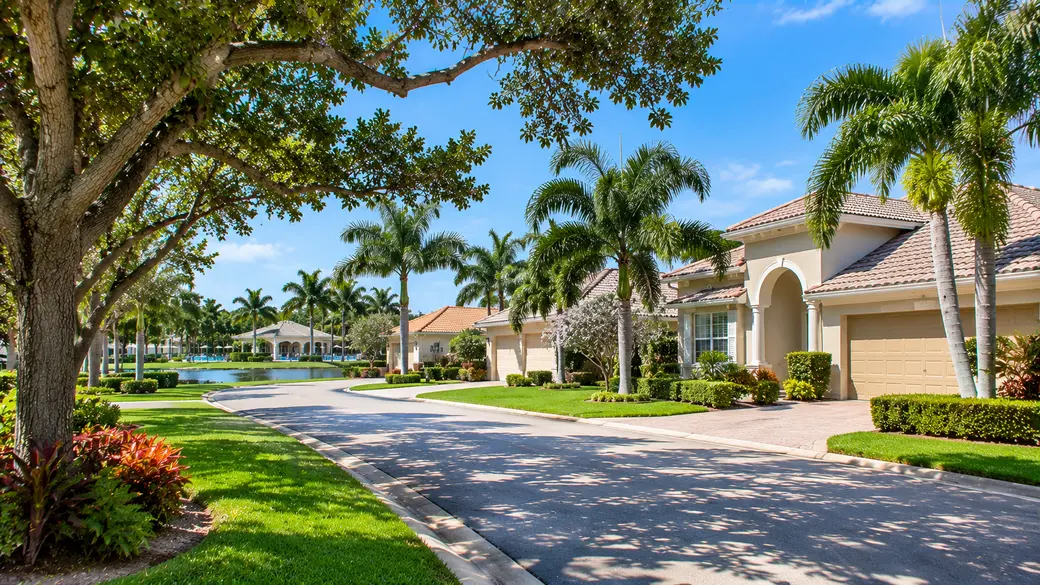
If you are picturing a Jupiter neighborhood where kids ride bikes to the community pool, neighbors trade boat-launch tips at the clubhouse, and the beach is a short drive away, Egret Landing probably belongs on your list. This established residential community sits off South Central Boulevard in the heart of the Town of Jupiter, roughly between Indiantown Road and Donald Ross Road, and is home to more than 600 single-family homes.
This guide takes an honest look at everyday life there, from costs and housing to weather, commuting, schools, and healthcare. If you are more interested in where to eat and spend your evenings, it pairs well with our look at the restaurants locals love around town.
Cost of Living
Egret Landing sits within one of the pricier housing markets in Palm Beach County, but day-to-day costs have a few built-in advantages.
Housing. Housing is the biggest line item by far. The median recorded closed sale across Jupiter was roughly $1.06 million over the 12 months through September 2026. Egret Landing homes have generally been listed in a similar range in 2026, which is covered in more detail below.
Taxes. Florida has no state income tax, which is a real draw for buyers relocating from high-tax states. Property taxes are the main tax to plan for. Bills vary by assessed value and exemptions; one Egret Landing home listed in 2026, for example, showed a 2025 tax bill of a little over $14,000. If the home will be your primary residence, Florida's homestead exemption and its cap on annual assessment increases can make a meaningful difference over time. A second home does not qualify, so its tax bill can look different from what the current owner pays.
HOA dues. This is where Egret Landing stands out. Recent 2026 listings show monthly HOA dues of about $225. Those dues have historically included fiber-optic high-speed internet and an expanded cable package, along with the clubhouse, pool, courts, and other amenities, so the effective cost is lower than the number suggests once you subtract what you would otherwise pay for internet and TV. Confirm current dues and inclusions with the association before you buy.
Utilities. Natural gas is available in the community, which many owners like for cooking and water heating. Electricity is the cost to watch, since air conditioning runs much of the year. Insurance is another important line item in South Florida, and premiums depend heavily on roof age, wind-mitigation features, and construction, so get a property-specific quote early.
Housing Market Overview
Egret Landing is made up almost entirely of single-family homes, many built from the mid-1990s through 2010. Floor plans range from single-story homes around 2,000 square feet to two-story homes approaching 4,000 square feet, with four- and five-bedroom layouts being common. Many homes have private pools, and most have two- or three-car garages. Some lots back up to lakes or sit on quiet cul-de-sacs.
Prices. Homes listed in Egret Landing during 2026 have generally been priced between about $1.25 million and $1.5 million, and standout renovated homes have sold for more than $2 million over the past two years. Pricing depends on size, renovation level, pool, lot position, and roof age.
Rents. Jupiter's broad average rent sits around $2,400 to $2,600 per month, but that figure leans heavily on apartments and condos. A four- or five-bedroom single-family home with a pool in an amenity-rich community like this one typically leases well above that average. Leasing is subject to association approval, so investors should review the rules before counting on rental income.
What to look for. Because many homes are roughly 15 to 30-plus years old, roof age, A/C systems, windows, and storm protection matter as much as finishes. A newer roof and impact windows can help with insurance and resale. You can browse homes currently on the market to get a sense of what is available.
Weather and Climate
Life in Egret Landing follows South Florida's two-season rhythm.
Dry season (roughly November through April) brings warm days, lower humidity, and the kind of weather that makes Jupiter so popular in winter. It is peak season for golf, boating, outdoor dining, and youth sports at the community fields.
Wet season (roughly May through October) brings heat, humidity, and frequent afternoon thunderstorms that tend to pass quickly. Mornings and evenings are usually the best times for outdoor activity.
Hurricane season runs from June 1 through November 30. Preparation is part of owning a home here: shutters or impact windows, a plan for securing outdoor furniture, a generator or backup power plan if you want one, and an insurance policy you understand. Many Egret Landing homes already have storm shutters, but ask about the type and condition when you tour.
Commute and Getting Around
Driving. Egret Landing's location is one of its biggest practical advantages. South Central Boulevard connects north to Indiantown Road and south to Donald Ross Road, and both lead quickly to I-95. Florida's Turnpike is also accessible from Indiantown Road. That makes it straightforward to reach Palm Beach International Airport, employers along the I-95 corridor, and Jupiter's beaches.
Traffic. Indiantown Road is Jupiter's main east-west artery and can get congested, especially during winter season and rush hour. Central Boulevard is usually calmer, and many residents use it to avoid the busiest stretches.
Transit. Public transit options are limited. Palm Tran bus routes serve parts of Jupiter, but most residents rely on a car for daily errands and commuting.
Walkability and biking. Inside the community, sidewalks and streetlights make walking, jogging, and biking easy, and kids can ride to the clubhouse and courts. For dining and shopping, Downtown Abacoa and other centers are a short drive or bike ride away, and the Abacoa area adds restaurants, a ballpark, and community parks close by.
Jobs and Economy
Jupiter's economy blends healthcare, research, education, tourism, and marine industries. Major employers and institutions in and around town include:
- Jupiter Medical Center, the town's main hospital and one of its largest employers
- UF Scripps Biomedical Research and the Max Planck Florida Institute for Neuroscience, which anchor a biomedical research cluster near Abacoa
- Florida Atlantic University's Jupiter campus, home to the Harriet L. Wilkes Honors College
- The School District of Palm Beach County and the Town of Jupiter
- Hospitality, tourism, and marine businesses tied to Jupiter's beaches, marinas, and spring training at Roger Dean Chevrolet Stadium
Many residents also work remotely or commute south along I-95, and Egret Landing's included fiber internet is a real perk for anyone working from home.
Schools and Education
Egret Landing is served by the School District of Palm Beach County. Recent listings commonly show Jerry Thomas Elementary and Jupiter High School, with some homes listing Independence Middle and others Jupiter Middle. Because school boundaries can change, always confirm assignments for a specific address using the district's official school boundary tools before you buy.
Families also have private and faith-based school options throughout Jupiter, and higher education is close by at FAU's Jupiter campus. For a broader look at the family side of life here, see why many consider Jupiter a great place to raise kids.
Healthcare and Services
Hospitals. Jupiter Medical Center is the primary hospital for the area and offers emergency care, specialty services, and outpatient facilities. It is a short drive from Egret Landing.
Clinics and everyday care. Urgent care centers, primary care practices, specialists, pharmacies, and dental offices are spread throughout Jupiter, particularly along Indiantown Road and near Abacoa, so routine appointments rarely require a long drive.
Everyday services. Grocery stores, fitness studios, pet care, and other daily services are concentrated within a few minutes of the community, which keeps errands simple.
Pros and Cons of Living in Egret Landing
Pros
- Amenities for the price. A heated community pool, clubhouse with kitchen and fitness center, tennis and pickleball courts, a basketball court, soccer field, playground, and picnic area, all covered by relatively modest HOA dues.
- Included internet and cable, which offsets part of the monthly HOA cost.
- Boat and RV storage, a rare perk that matters in a boating town.
- Central location with quick access to I-95, the Turnpike, Abacoa, and the beaches.
- Strong sense of community, with social events and a family-friendly atmosphere.
- Space. Many homes have four or five bedrooms, private pools, and larger garages.
Cons
- Age of homes. Many were built in the late 1990s and early 2000s, so roofs, A/C systems, and windows may need updating, which affects both budgets and insurance.
- HOA rules. Exterior changes, leasing, and parking are subject to association approval, which may not suit buyers who want total flexibility.
- Insurance costs. As with all of South Florida, homeowners and windstorm coverage can be significant.
- Summer heat and storm season require some planning and adjustment.
- Seasonal traffic on Indiantown Road can slow trips during peak months.
- Not walkable to dining. Restaurants and shopping are close, but you will usually drive.
Egret Landing offers a version of Jupiter living that blends space, amenities, and convenience: big single-family homes, a busy clubhouse and pool, room for the boat, and quick access to the rest of town. Knowing what to expect, from HOA rules and insurance to summer storms and school assignments, makes the move to Egret Landing far easier. For a wider view of what everyday life looks like across town, take a look at living in Jupiter more broadly.
Thinking About Moving to Egret Landing?
Relocating is easier with someone who knows the neighborhood well. Chris Morrissey of Live Jupiter, a licensed Realtor® with SERHANT, helps buyers find and evaluate homes in Egret Landing and across Jupiter with local knowledge, a background in financial advising, and clear guidance on costs, condition, and community rules.
Call or text (561) 420-9767, email chris.morrissey@serhant.com, or reach out through the contact page to start your search.
What you get when you reach out:
- A personalized relocation guide to Egret Landing and Jupiter
- Neighborhood recommendations based on your priorities
- Virtual or in-person tours of homes and the surrounding area
FAQ
Is Egret Landing a good place to live?
It depends on your lifestyle, budget, and priorities. Egret Landing is a strong fit for buyers who want a larger single-family home, a full slate of community amenities, boat or RV storage, and a central Jupiter location. Buyers who want walk-to-dinner living or minimal HOA oversight may prefer a different setting.
What is the cost of living in Egret Landing?
Housing is the biggest cost, with 2026 listings generally between about $1.25 million and $1.5 million. HOA dues are about $225 per month in recent listings and have included internet and cable. Florida has no state income tax, but property taxes, insurance, and electricity for air conditioning should be part of your budget.
What is the weather like in Egret Landing?
Expect warm, drier winters from roughly November through April and hot, humid summers with afternoon thunderstorms from roughly May through October. Hurricane season runs June 1 through November 30, so storm preparation is part of homeownership.
What are the pros and cons of living in Egret Landing?
Pros include extensive amenities, included internet and cable, boat and RV storage, spacious homes, and a convenient central location. Cons include older homes that may need updates, HOA rules, South Florida insurance costs, summer heat and storm season, and seasonal traffic on Indiantown Road.
Categories
Recent Posts







THINKING ABOUT MAKING JUPITER HOME?